
At home, language learning becomes durable when it has a purpose outside study. To learn a language at home with AI, begin with a setting you genuinely expect to enter. Maybe you want to order lunch, greet relatives, or navigate a hotel. Those ordinary scenes give new vocabulary a destination. They also make AI practice feel less like school. An AI language tutor session can turn those scenes into tailored exchanges. Ask for phrases you would actually say, then answer in your own words. Keep the first week deliberately narrow. Small wins build enough confidence for speaking aloud. That confidence becomes the foundation for a routine that lasts.
Choose one everyday scenario before collecting a long vocabulary list. A grocery store question gives your practice an immediate direction. A short family introduction can do the same. Describe the people, places, and choices that belong in that moment. Then ask the tool to create a brief exchange around them. Respond once slowly, then repeat with fewer pauses. Notice which words disappear when you feel pressure. Those missing pieces become tomorrow’s material. This approach narrows the work without making it shallow. It also gives each session a visible finish line. Purposeful practice feels lighter because it connects to a life you recognize.
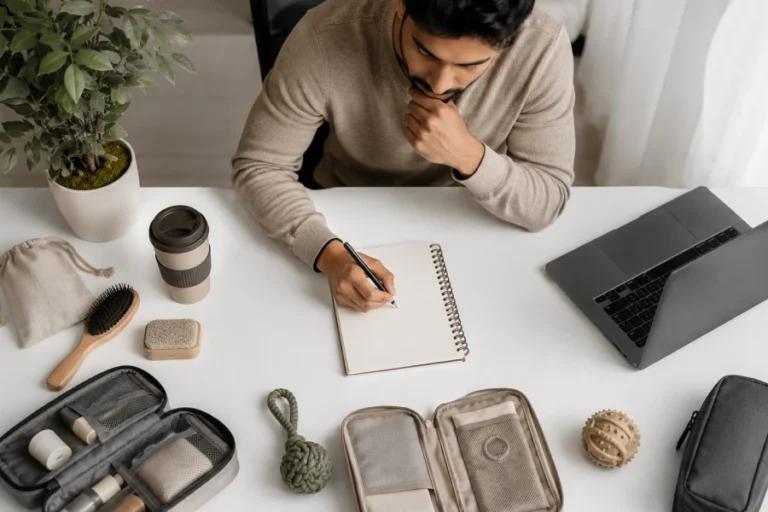
Most abandoned routines fail before the first sentence is spoken. The headphones are missing, the device needs charging, or the notebook sits elsewhere. Solve those small problems the evening before. Leave one clear surface for practice, even if that surface is tiny. Keep a single notebook beside the device. Use the same chair when you can. Familiar cues tell the brain that the session has started. Avoid turning the space into a costly project. A useful corner beats a perfect study room. What matters is how quickly you can begin. Low-friction preparation makes consistency feel realistic on busy days. That convenience lowers the chance of postponement.
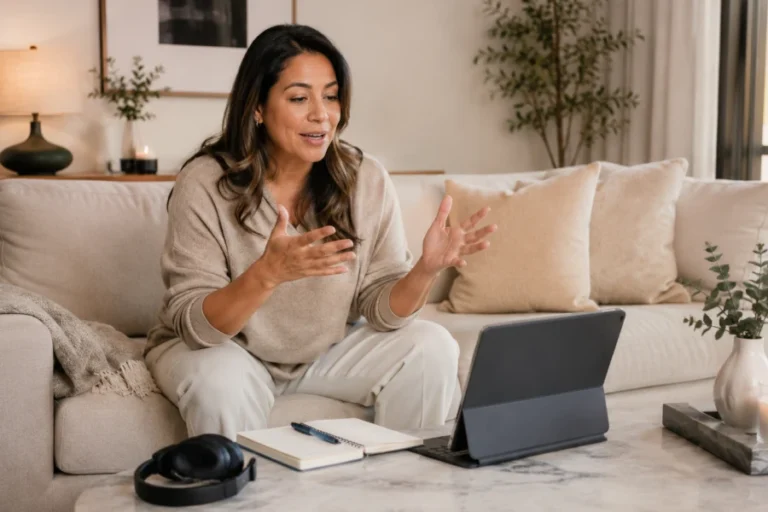
Conversation grows faster when you can restart without embarrassment. Begin with short replies that belong to your chosen scene. Ask the tool to play a patient shopkeeper, colleague, or neighbor. Give yourself five seconds before answering. Then try the same exchange with a new detail. A conversation scenario builder can add gentle surprise without making the exercise chaotic. Say your answers aloud instead of only typing them. Your voice reveals pronunciation gaps that silent work may hide. Repeat one useful phrase until it sounds less translated. The goal is not flawless speech. The goal is a response you can reach when real life moves quickly.
End each week by listening for changes rather than judging every mistake. Compare one early recording with a newer answer. You may hear fewer pauses before familiar phrases. You may notice that a correction now sounds natural. Write down only two observations. One should celebrate something that became easier. The other should name a pattern worth revisiting. Leave the rest alone for now. Too many corrections can make progress feel invisible. A short review protects motivation while still giving the next week direction. That balance makes reflection a tool, not a punishment. A modest review keeps the language journey enjoyable.
Feedback works when it points toward a next attempt. Ask for one correction at a time after a spoken reply. Read the improved version aloud beside your original wording. Listen for the rhythm, not only the grammar. Keep a small page called useful repairs. Add phrases that help you recover when a sentence goes wrong. A personalized language practice plan can keep those repairs tied to situations that matter. Return to the list before a new conversation exercise. Over time, corrections become familiar tools. They stop feeling like evidence of failure. Clear feedback gives practice a reliable path forward. The next attempt becomes clearer because the task is smaller.
Some evenings will not support a full speaking session. Build a short version of the habit for those days. Replay one dialogue while dinner cooks. Answer a single question before bed. Review three phrases during a wait in line. These smaller actions protect your identity as a learner. They also stop missed days from becoming a discouraging pattern. When your schedule opens again, return to longer practice without guilt. Language growth is shaped by return, not by perfect streaks. A flexible system stays useful through travel, deadlines, and low-energy weeks. That resilience is what makes home study sustainable. Each return strengthens the learner you are becoming. Steady effort makes useful language more available.


Leave a comment